
Co-living spaces are redefining the way people live, work, and connect, particularly in today’s landscape where the world is gradually shifting towards remote work, digital nomadism, and community-driven lifestyles. As per Joe Cianciotto, co-living is much more than just another trendy buzzword today. It has emerged as a flexible and practical housing solution that fits the needs of modern urban dwellers. Co-living spaces are particularly sought out by remote workers, digital nomads, solo travelers, students, as well as others craving meaningful connection.
Joe Cianciotto talks about the features of co-living spaces
Co-living refers to a modern residential arrangement where individuals share living spaces while enjoying private bedrooms. Residents of co-living properties enjoy access to a range of shared amenities, which can include kitchens, lounges, coworking areas, fitness centers, and more. Co-living properties can be considered to be a hybrid between a community hub, a boutique hotel and a shared apartment. Co-living spaces are generally professionally managed and fully-furnished. They tend to come with flexible lease terms. As opposed to traditional rentals, co-living spaces focus on community, collaboration, and convenience.
There are several global shifts that have fueled the rise of co-living spaces, including:
- Remote Work Boom: As an increasing number of companies are adopting hybrid and fully remote models, people seek greater flexibility in their accommodation.
- Urban Housing Shortage: Affordable housing can be very hard to find in large cities. Co-living properties provide a cost-effective alternative.
- Desire for Community: In this era of digital disconnection, many people crave authentic, in-person interactions.
- Minimalist Living: A number of young professionals prioritize experiences over possessions and hence prefer move-in-ready spaces.
Here are a few of the key features of co-living spaces:
- Private rooms with shared amenities: The majority of co-living setups provide private, furnished bedrooms to the residents. The residents may share living rooms, kitchens, and other communal areas, depending on the property.
- Flexible lease terms: Traditional rentals usually lock in the tenants for 12 months or more. On the other hand, co-living spaces generally offer month-to-month leases. This flexibility makes co-living spaces highly appealing to freelancers, digital nomads, remote workers, freelancers, and anyone who relocates frequently.
- Community and events: Operators of co-living properties often curate networking nights, social events, shared dinners, shared dinners and more. Such activities allow residents to bond and foster a sense of belonging.
- All-inclusive pricing: In a co-living setup, internet, utilities, cleaning services and more are included in one monthly fee. Hence, residents can steer clear of the hassle of multiple bills and surprise costs.
- Professional management: Co-living properties are generally operated and managed by companies who handle things like maintenance, customer support, security, and cleaning. Hence, these properties are able to provide residents with a hotel-like convenience with a home-like feel.
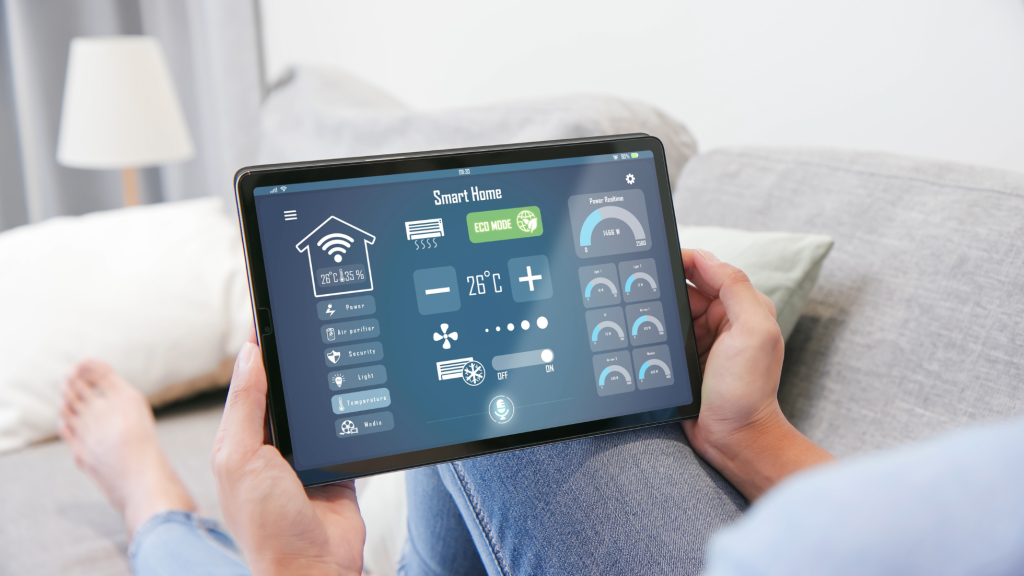
As Joe Cianciotto says, co-living spaces are ideal for young professionals working in large cities, as well as digital nomads. These properties generally center around shared interests like sustainability, art, wellness, and entrepreneurship. With time, co-living spaces are also evolving. Operators of many co-living properties today integrate smart home technology, provide hybrid live-work-play environments, and cater to niche interests.